GREENBOATS · Bremen

Boats,
built differently.

Boatbuilding craft, composite engineering and natural materials.

FLAX27 sailing
FLAX2727 ft · Daysailer
Why GREENBOATS exists

It started with a problem.

Wood felt right.

Friedrich J. Deimann trained as a wooden boatbuilder. He loved the craft, the material and the relationship you build with a boat while making it.

But traditional wooden boatbuilding is difficult to scale. Every one-off demands enormous effort, and when one project is finished, the next often starts almost from zero again.

Composites worked differently.

After his apprenticeship, Friedrich moved into high-end composite boatbuilding, including luxury tenders for superyachts. He became fascinated by infusion, moulds and the ability to engineer a material through fibre orientation.

What he did not like were the conventional materials themselves: difficult to work with, difficult to relate to, and usually hidden beneath paint when the product was finished.

The question became: Can we combine the craft and material quality of wooden boatbuilding with the engineering and repeatability of composites?
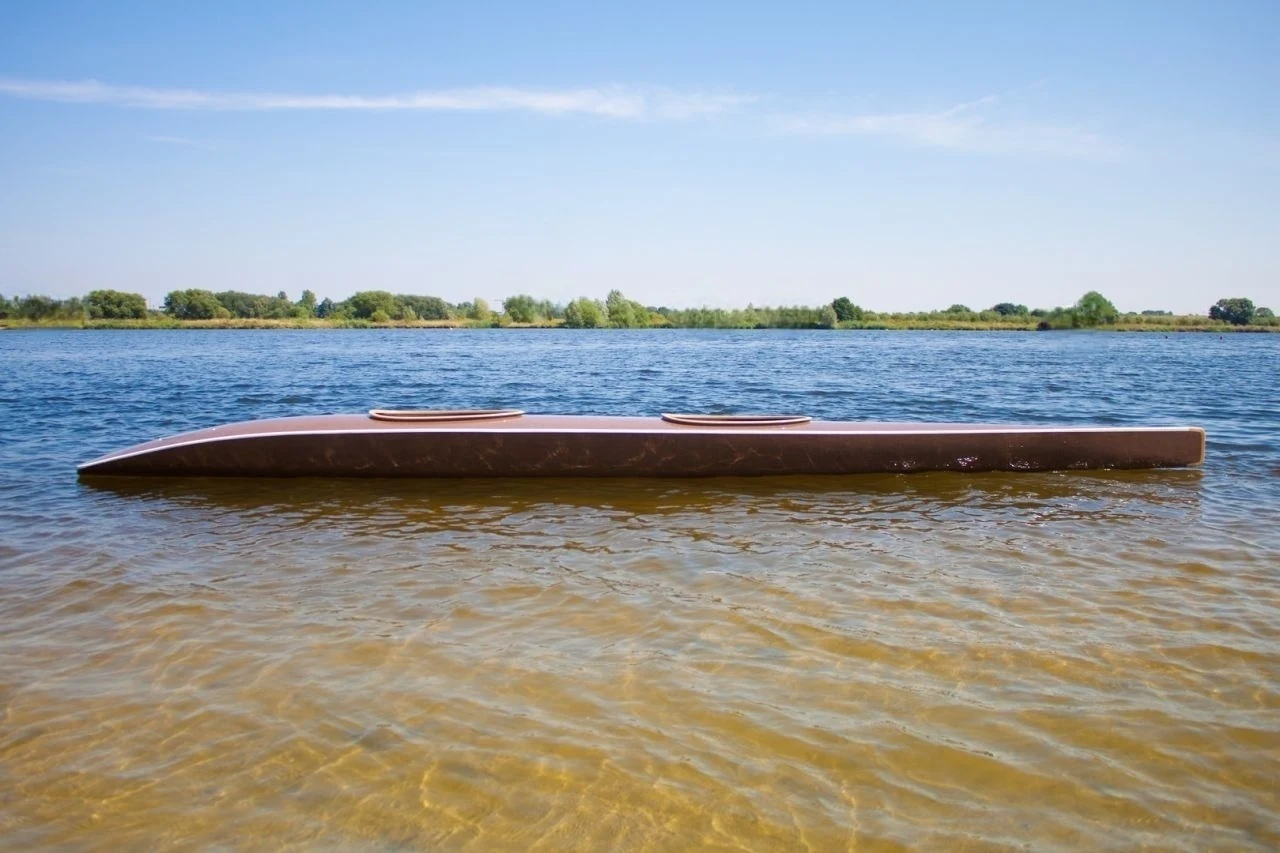
Friedrich Deimann's natural fibre composite kayak
The first answer · 2012

The first masterpiece.

For his master craftsman’s piece, Friedrich brought those two worlds together: natural materials on one side, composite engineering on the other.

The kayak was not the beginning of the idea. It was the first product that showed the idea could work.

That became the foundation for GREENBOATS.
The idea

Natural materials.
Composite logic.

The first years were about learning the material: how to engineer it, how to process it and where it could replace conventional composites without compromising the product.

EngineerPut the fibres where the loads need them.
BuildDevelop processes that can be repeated.
LearnPut it on the water and make the next one better.
2016
GreenBENTE24

The first breakthrough.

The GreenBENTE24 was the moment the idea moved from small prototypes to a real keelboat. At 24 feet, with a 12-metre rig and the loads of a proper sailing yacht, it showed that natural fibre composites could match the weight, stiffness and sailing performance of the conventional GRP version.

GreenBENTE24
2019
FLAX27

Then we built the boat we wanted.

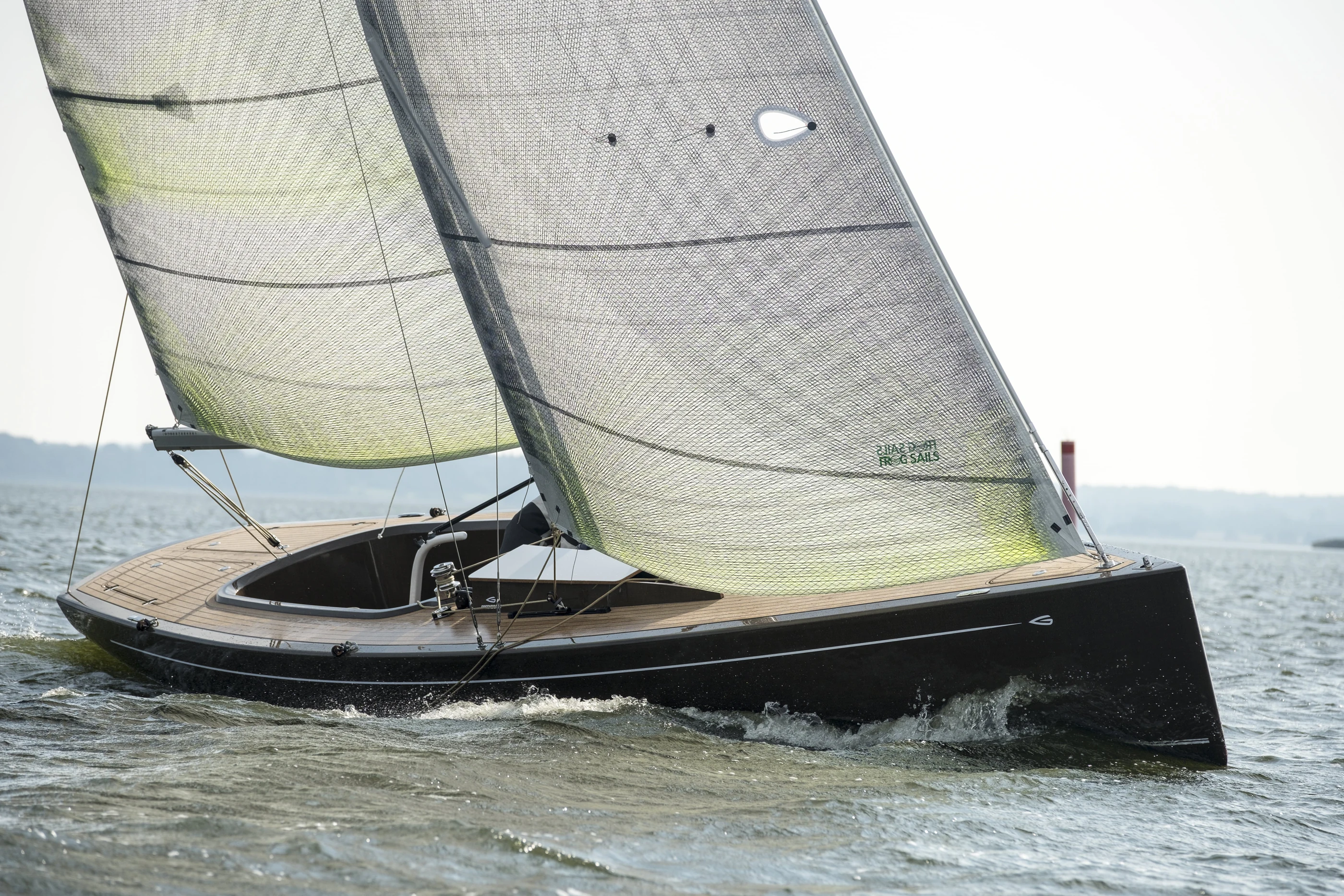
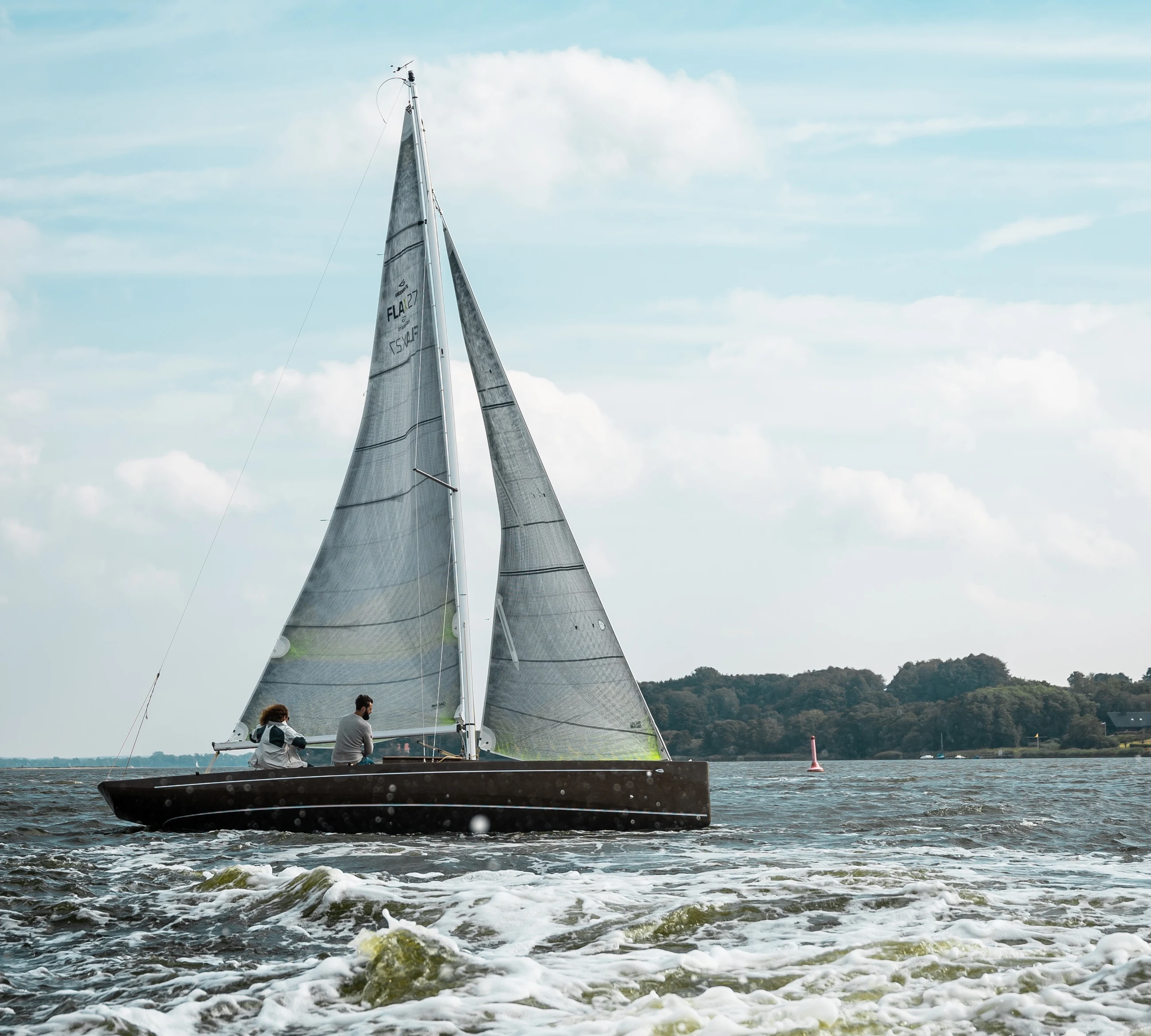
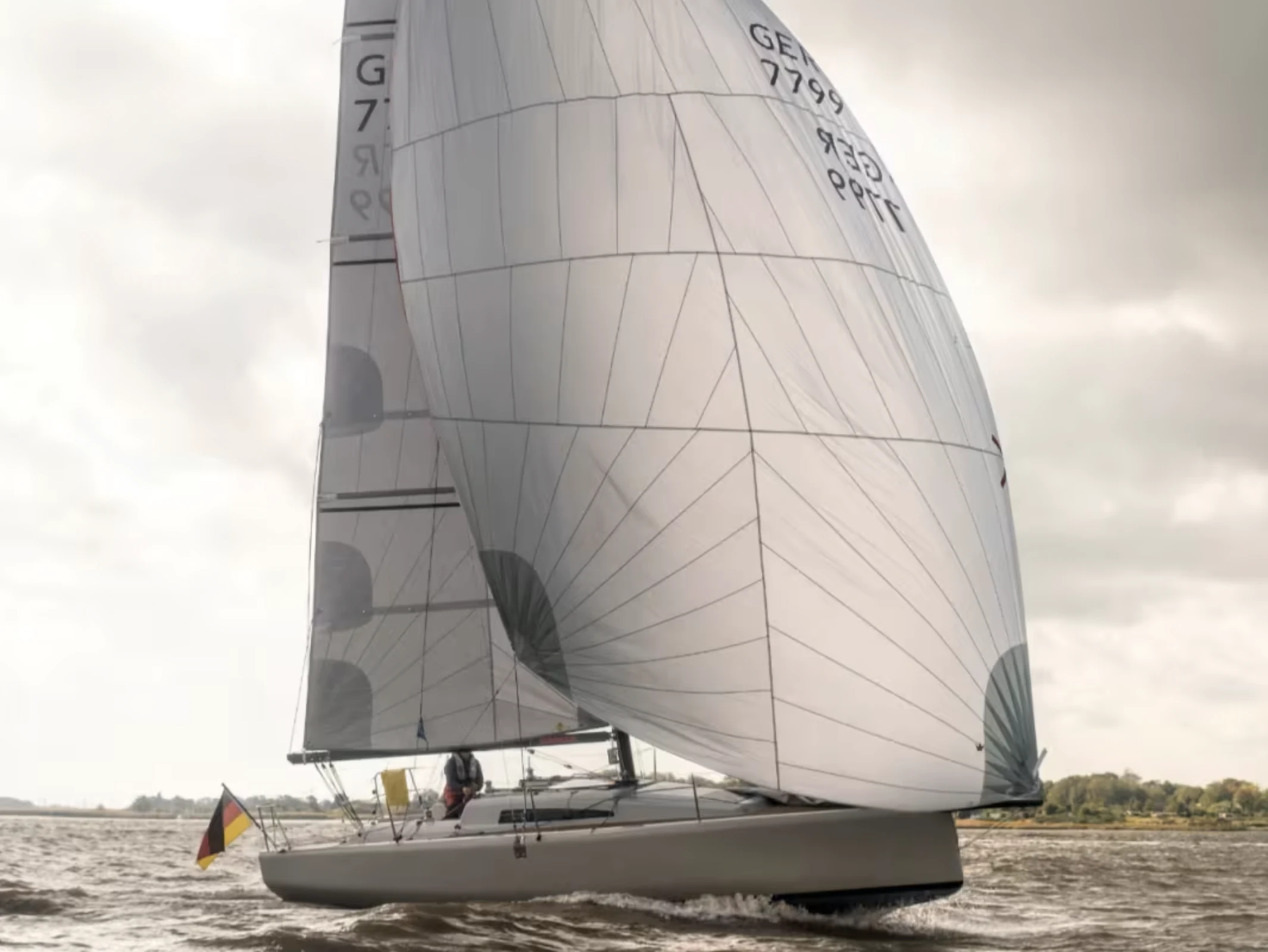
FLAX27 was our own product: a 27-foot daysailer developed with Judel/Vrolijk & Co. The goal was not to make a demonstration piece. It was simply to make a beautiful sailing boat — and let the material prove itself through the product.

FLAX27 sailing
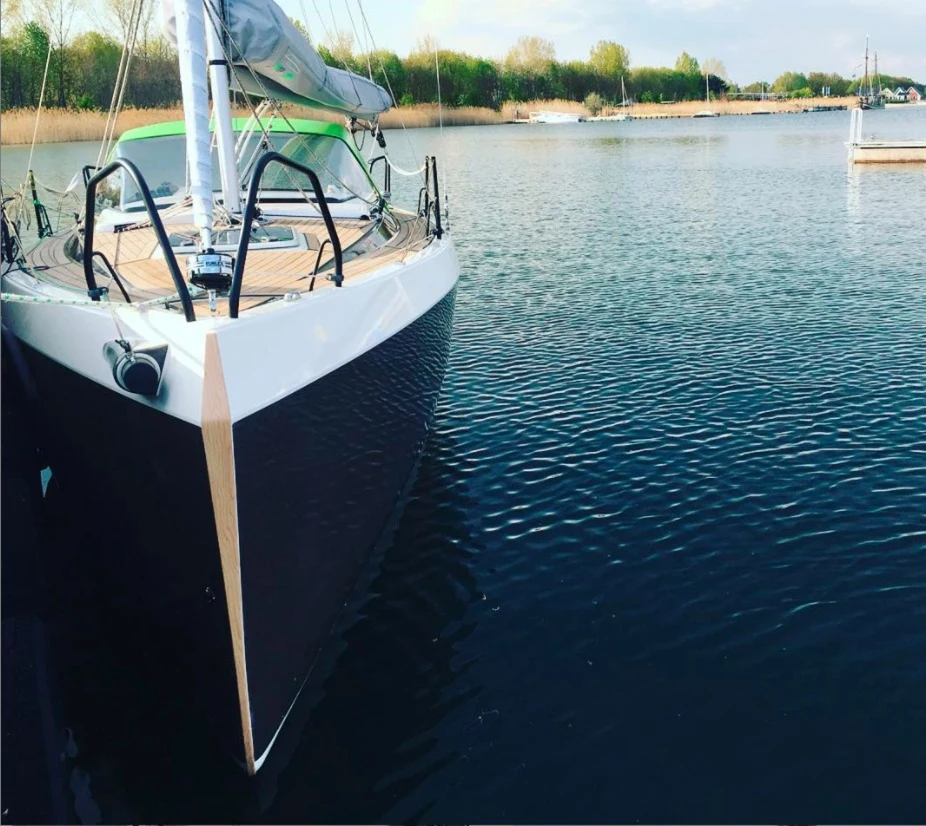
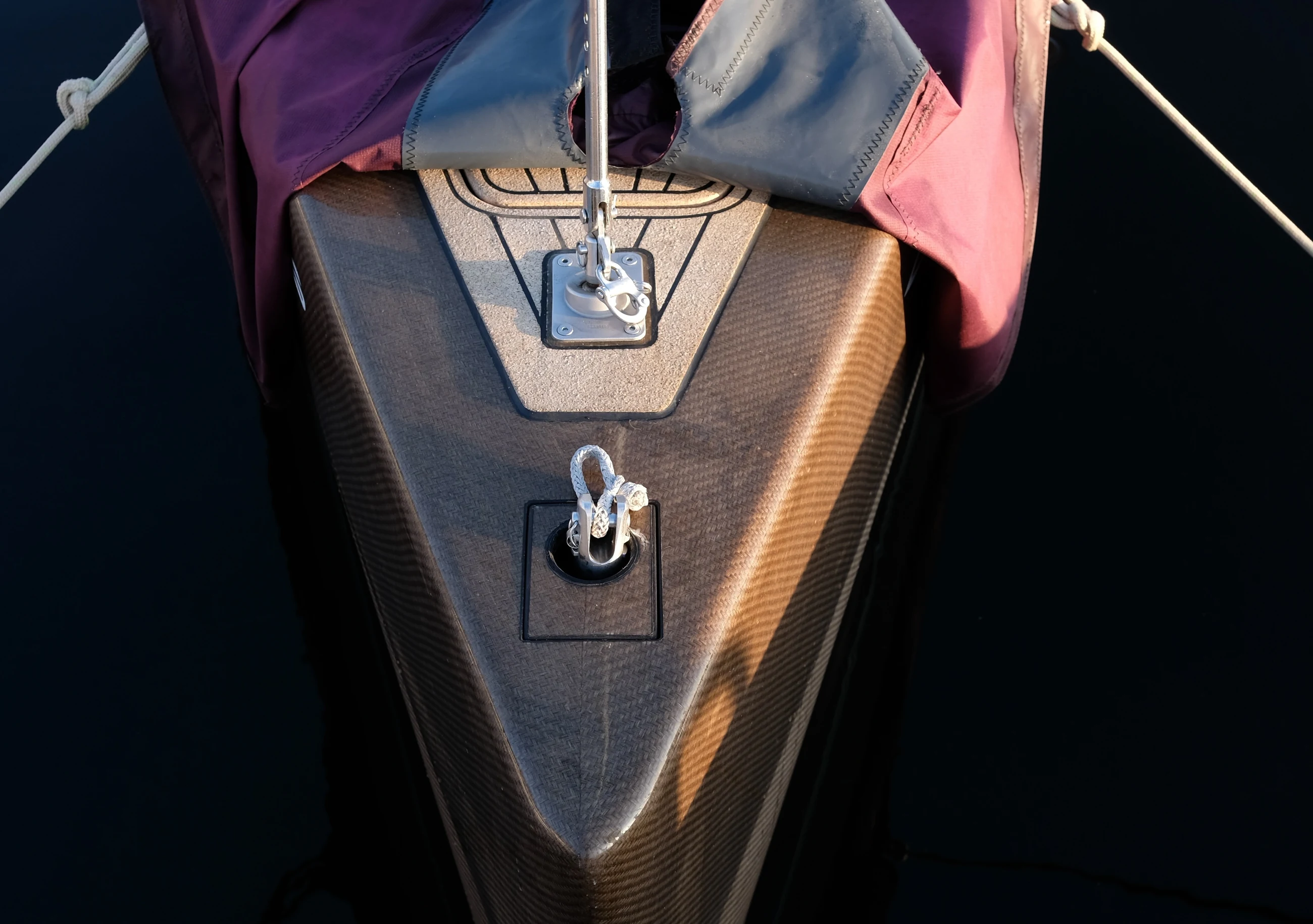
FLAX27 bow detailFLAX27 · Detail
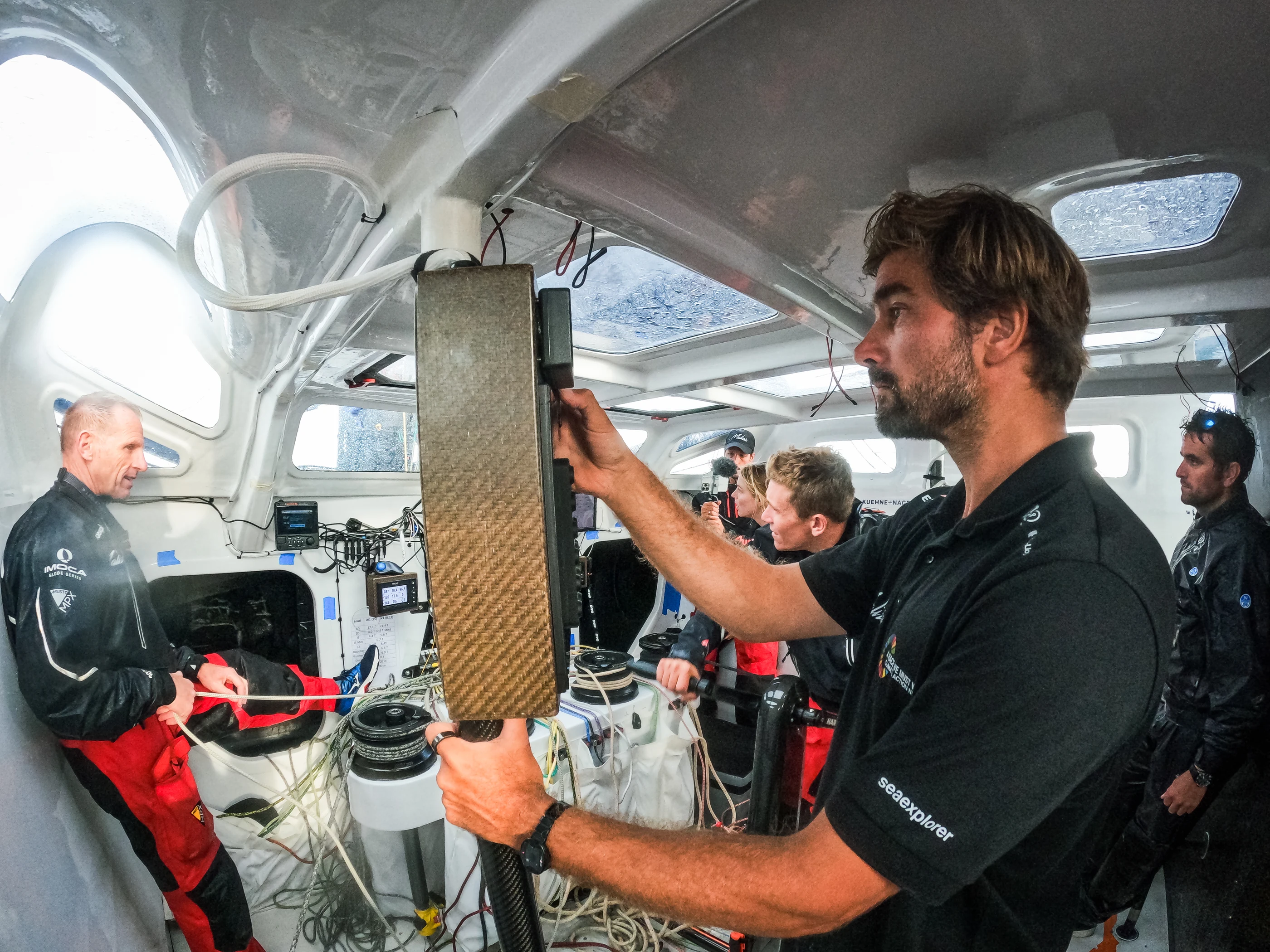
Team Malizia onboard with GREENBOATS natural fibre composite component
2022
IMOCA · Performance

Tested where materials cannot hide.

Working with Team Malizia and 11th Hour Racing moved the material into one of sailing’s toughest environments. Slamming loads, vibration, fatigue, salt water and thousands of ocean miles made performance measurable.

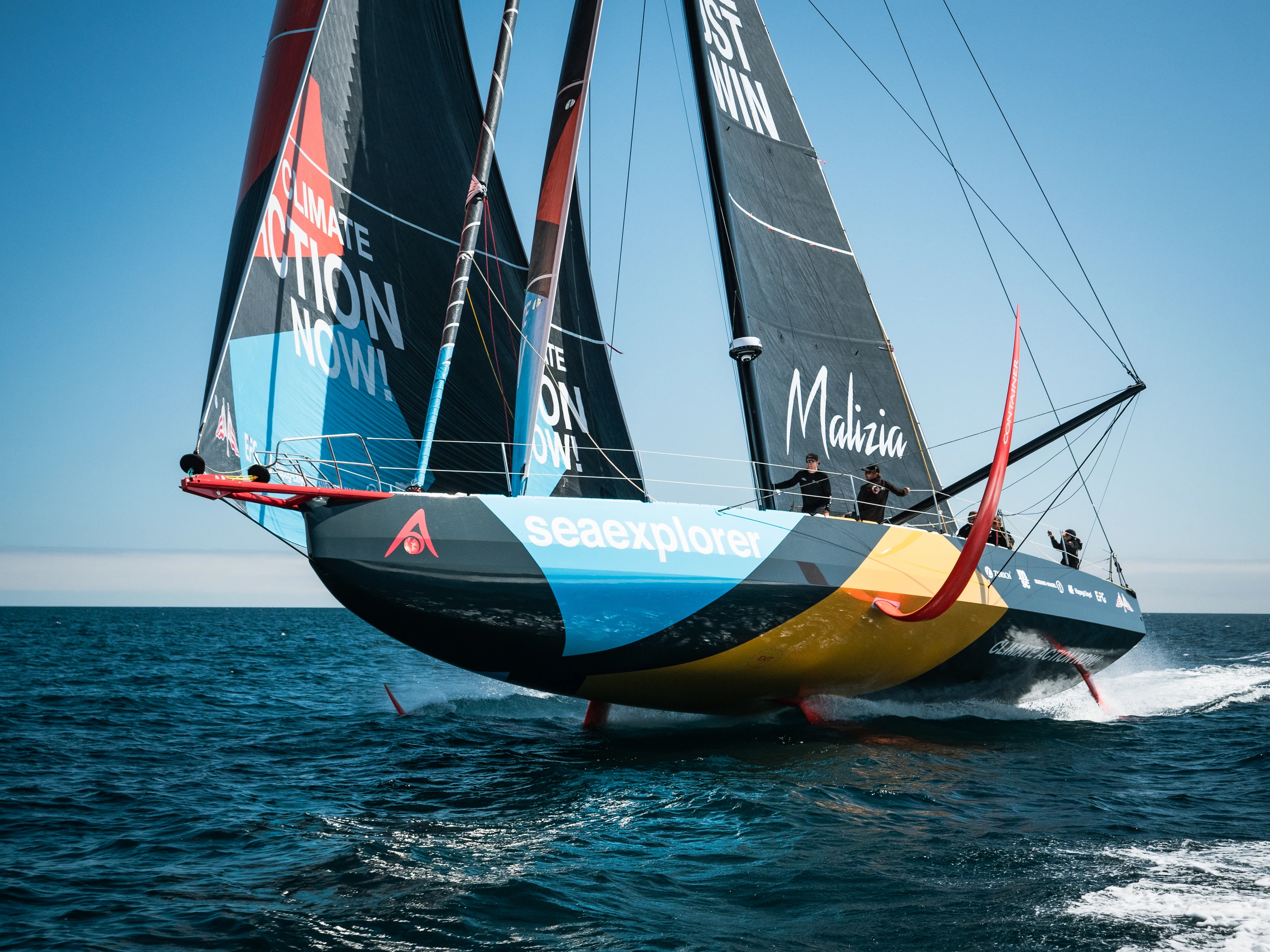
Malizia-Seaexplorer carried 49 GREENBOATS components. In the same year, GREENBOATS received the World Sailing 11th Hour Racing Sustainability Award.

Team Malizia IMOCAFrom material development to ocean racing.
2023
MB9 · 30 ft

Size stopped being the question.

MB9 “Keena” took the next step: a 30-foot sailing yacht built predominantly from natural fibre composites. At this scale, we are already in the heart of the pleasure-boat market. The question was no longer whether the material could build a real boat, but how far the approach could go.

MB9 Keena sailing
MB9 construction
From structure to boat

Performance and aesthetics.

By this point, natural fibre composites were no longer a compromise we had to explain. They could deliver the structure, weight and product quality we wanted.

2024 → today
The next problem

Now we have to make it accessible.

People like the products. Performance and aesthetics are no longer the main barrier. Cost is.

01

Change the process.

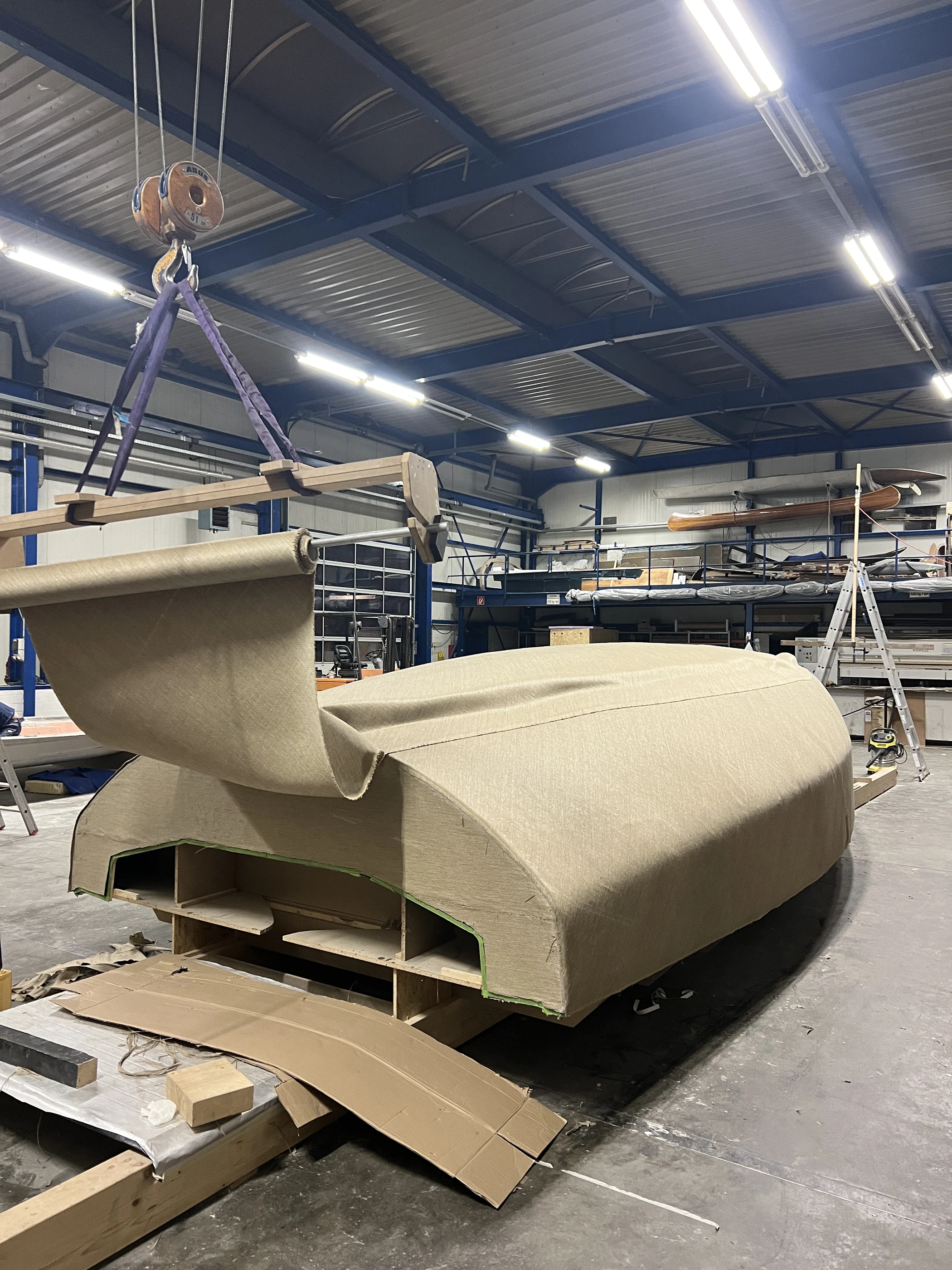
Natural fibre composites need tighter control of pressure and temperature than conventional boatbuilding. That is pushing us towards panel-based construction: producing controlled structural panels first, then designing boats around a more repeatable manufacturing system.

02

Change the economics.

If better materials remain expensive, simply adding margin to a higher sticker price will not make boating more accessible. We want to design the product and the business model together.

03

Maximise use, not sales.

The long-term goal is to move beyond optimising how many boats we sell. We want to maximise how much the product is actually used and minimise its operating cost over its life — including what happens to the composite at end of life.

Experience & research

More than a decade invested in making the material work.

Behind the boats is continuous R&D into fibres, resins, sandwich structures, manufacturing processes, durability and circular design. The product story is also a research story.

2013GREENBOATS founded in Bremen
49GREENBOATS components on Malizia-Seaexplorer
2022World Sailing 11th Hour Racing Sustainability Award
Recognition

Proven on the water. Recognised by the industry.

Our work has received the World Sailing Sustainability Award, Bremer Umweltpreis, Biocomposites Award and Ocean Tribute Award.

Research & Development

The work behind the products.

Our detailed material research and cross-industry development activities continue through Circular Structures.

Explore R&D →
R.U.D.I. · The scalable platform

Change the boat
by changing the system.

If material cost is the problem, the answer cannot be another conventionally built one-off boat. R.U.D.I. is our move towards a repeatable panel-based construction system.

Controlled pressure and temperature move into panel production. The boat itself becomes a configurable product built from a common structural platform.

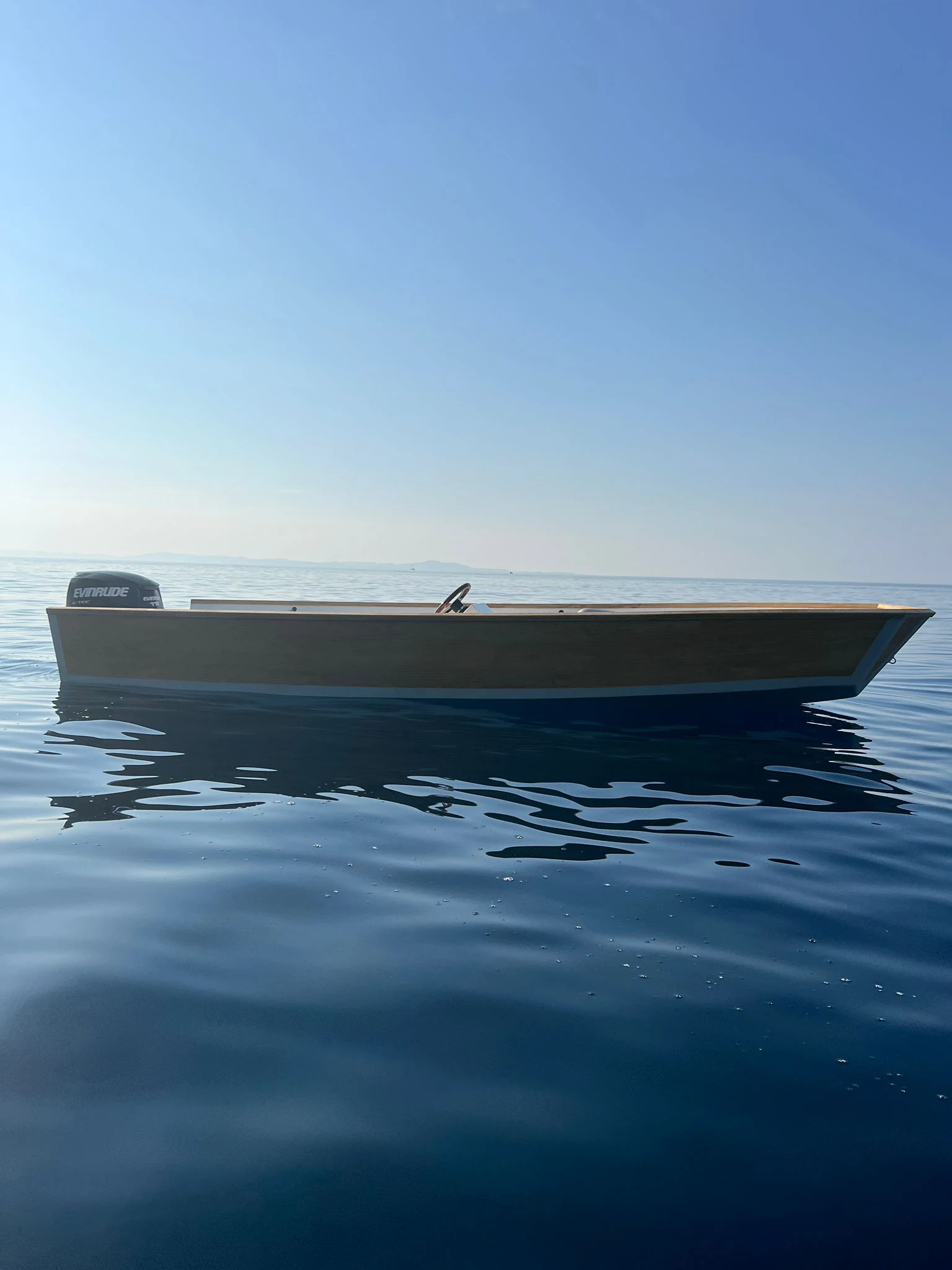
R.U.D.I. 6.0 · Platform 01
RUDI 6.0 motorboat
Configure the idea

One structure.
Different boats.

Platform
Use
Drive
The goal Fewer unique parts. Repeatable production. More use per boat. Lower lifecycle cost.
Why we keep doing it

We like building boats.

We want to make products we would use ourselves — and find better ways to build them. Marine gives us the place to test those ideas properly.

Beyond marine

The work continues elsewhere too.

Cross-industry material development, research and manufacturing work sits within Circular Structures.

Research & collaboration

Materials, R&D and industrial applications.

Explore R&D →
Contact

Let’s build.

For boats, components and marine collaborations.

hi@green-boats.com

Your message will be sent to hi@green-boats.com.